


1Definition & Origin
Sparse in Noise, Rich in Stillness — The True Meaning Behind the Characters
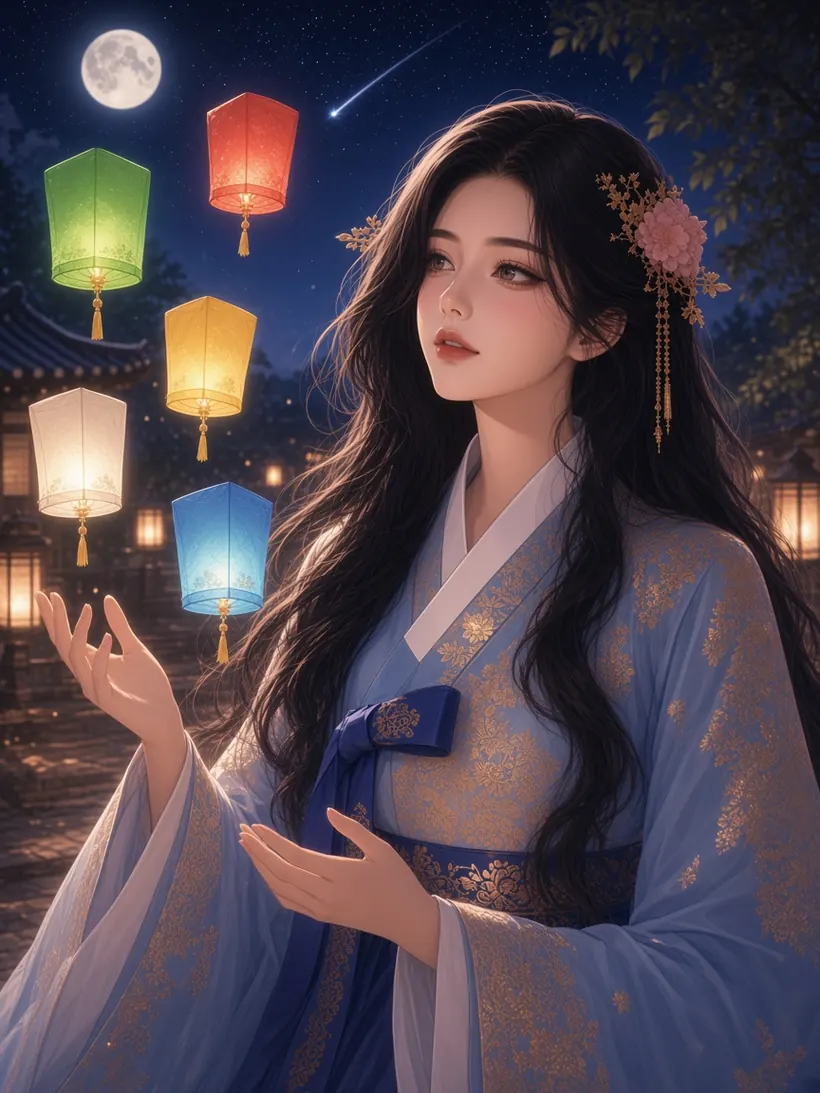
The name Gwasuksal (寡宿殺, Widow Star Sal) brings together the character Gwa (寡), meaning sparse, uncluttered, or few, with Suk (宿), meaning a resting lodge or a constellation keeping watch across the night sky. Rather than sparkling in a crowded banquet hall, this star carries the hush of a warm courtyard lantern still glowing quietly on the veranda long after the last guests have gone home. From the outside it may look understated and reserved, yet step closer and you'll feel an unhurried inner pillar that doesn't sway with every passing gust of wind.
Why Classical Texts and Agrarian Clans Once Feared Standing Alone
In classical compendiums such as Sanming Tonghui (三命通會), Widow Star Sal was paired directly with Gosinsal (孤辰殺, Lonely Star Sal)—the former cautionary for women keeping an empty chamber, the latter for men walking apart from kin. In traditional agrarian households where physical survival and social standing depended almost entirely on clan protection and marriage ties, any temperament inclined toward solitude looked like deprivation or fate's harshness. It's easy to flinch at the stark old label at first glance, yet much of that dread belongs to bygone social customs rather than the living essence of the star itself.
Morning Star vs. Evening Star — Comparing Lonely Star Sal and Widow Star Sal
Notice how delicately these twin stars mirror each other across time: Lonely Star Sal steps forward into the birth-gate of the upcoming season, setting out alone down an uncharted dawn road before anyone else wakes. Widow Star Sal moves in the opposite rhythm, lingering at the closing earth-border of the season that just ended to fold harvested grain, memory, and warmth safely inward. Like deep winter roots drawing nourishment underground instead of chasing new blossoms, its real gift is quiet consolidation—knowing how to feel whole without needing constant company.