

1Definition & Origin
Spring Peach Blossoms and Effortless Magnetism
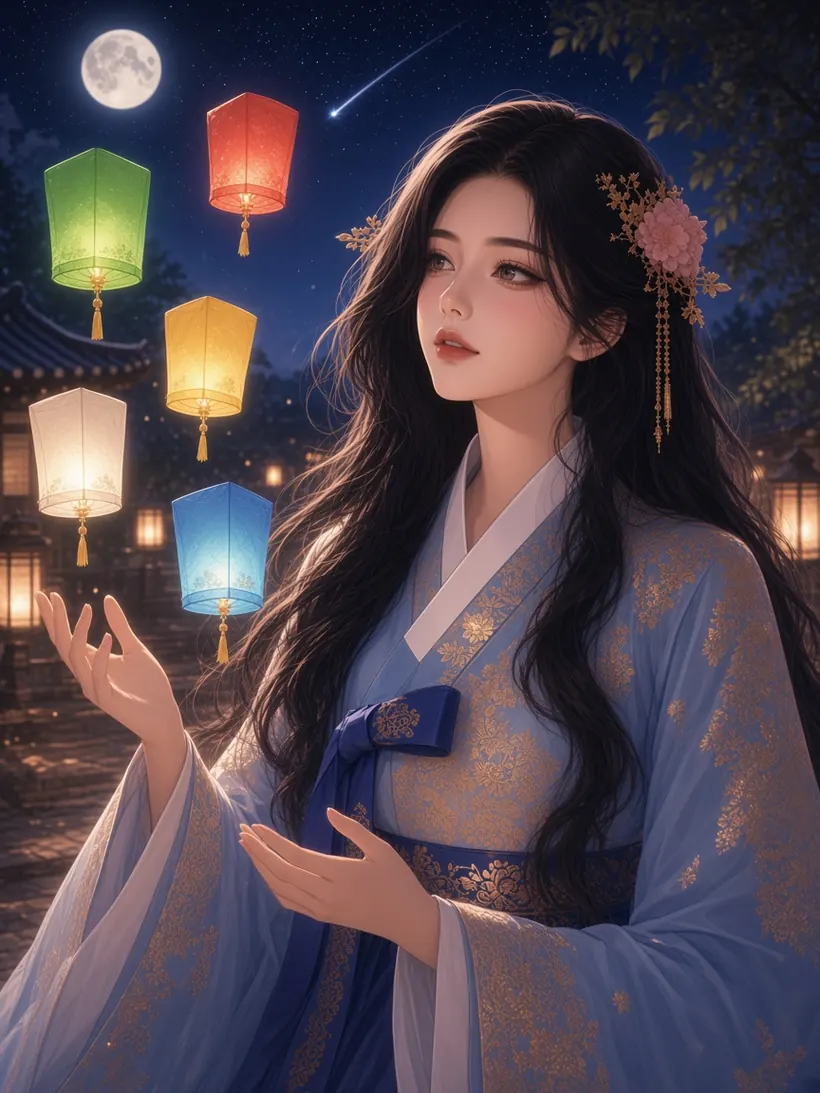
Recorded in classical charts as Yeonsal (年殺) within the Twelve Symbolic Stars (十二神殺) and beloved across generations as Dohwasal (桃花殺, Peach Blossom Sal), this star carries one of the most delicate and captivating textures in destiny reading. Just as crimson peach blossoms unfurl along a warm spring branch and make passersby pause in their tracks, it holds a quiet pull that gathers eyes and goodwill even when you aren't trying to stand out. Rather than relying on rehearsed tricks or loud display, it's an unforced warmth—like subtle floral fragrance drifting on the wind—that gently disarms guarded hearts.
Stern Classical Warnings and Their Historical Backdrop
In early dynastic manuals, scholars also named this star Hamji (咸池, Celestial Bathing Pond)—imagery of the setting sun dipping into a shimmering pool—and treated it with stern moral caution. Old commentaries often warned that in a woman's chart it could unsettle family order, while in a man's chart it might tempt him toward revelry that scattered household wealth. Yet when we look closely, those warnings grew out of rigid agrarian societies where clan hierarchy and strict etiquette outweighed personal expression. In a world that prized conformity, any natural charisma capable of stirring emotion and drawing admiring glances felt like a spark that might disturb established rules.
Where Clear-Water Sensitivity Meets Blossoming Vitality
Trace its classical roots deeper, and you'll find Peach Blossom Sal closely aligned with Mogyok (沐浴, Bath), the life stage where a newborn spirit washes away earthly dust in clear water before stepping out into the world. It blends water-like emotional sensitivity that seeps gently into another person's mood with the outward, petal-opening vitality of early spring. Think of it as a living spring of human connection that melts awkward walls between strangers—never a curse to fear, but a precious blessing meant to be tended with poise.