


1Definition & Origin
The Royal Silk Canopy Shading an Emperor's Carriage
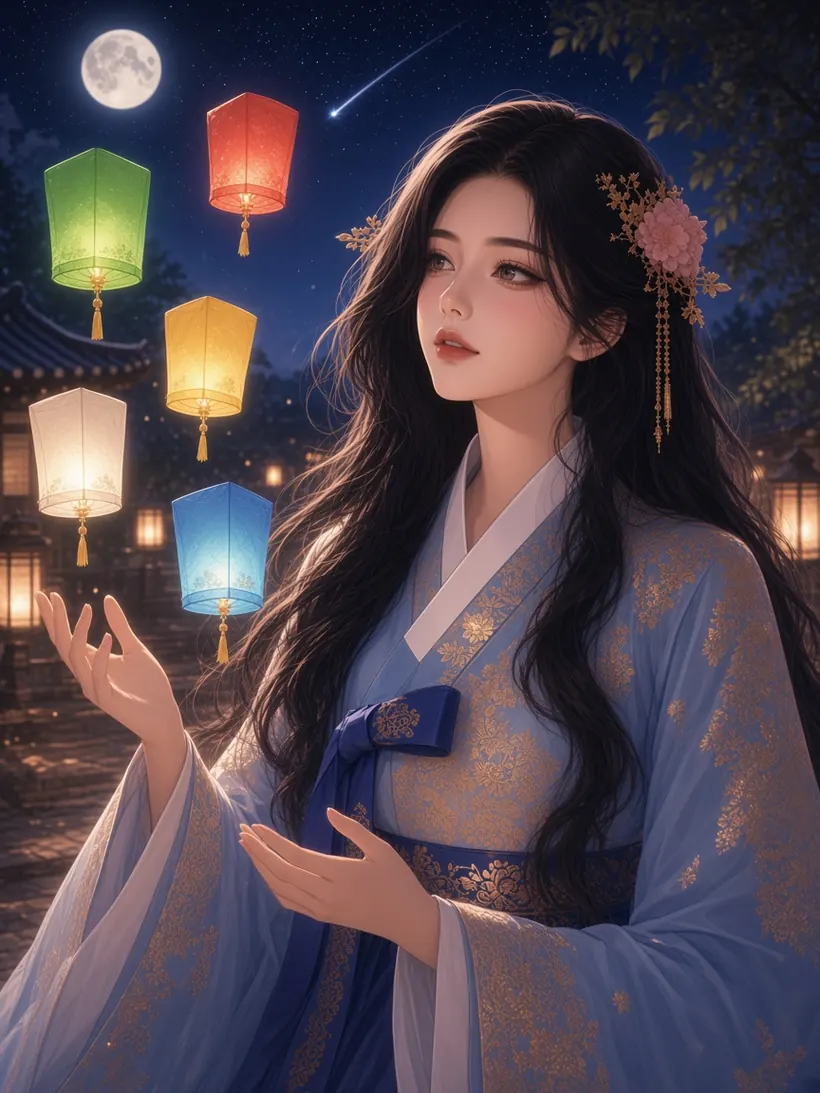
Look closely at the name Hwagaesal (華蓋殺, Canopy Sal), and you'll feel an ancient poem unfolding right out of the night sky. In classical Chinese imagery, Hwa points to radiant, flower-like splendor, while Gae refers to an overarching silk parasol or celestial canopy. Put the two characters together, and you get the grand ceremonial canopy once held high above an emperor's carriage—an emblem of rare honor reserved for noble dignity. Sheltered beneath that silken roof, the rider traveled untouched by dust, wind, and street clamor, resting inside a quiet sanctuary of poise.
Unworldly Nobility That Steps Back From Everyday Clamor
For centuries, BaZi readers have understood Canopy Sal through twin themes: serene unworldliness and self-chosen solitude. Even when everyone around you rushes after quick applause or fleeting gain, this energy anchors your heart in higher ideals and an unhurried inner life. That's why people carrying a prominent Canopy Sal often carry the quiet air of a classical scholar in a candlelit study or a contemplative seeker on a misty mountain path. In Sanming Tonghui (三命通會), Canopy Sal is likewise honored as a star of scholarship, artistic grace, and lofty spiritual bearing.
The Creative Pulse That Turns Inner Resonance Into Living Art
Still, if you picture Canopy Sal merely as a lonely hermit's star, you'll miss the brightest jewel hidden inside it. Just as Mingli Yueyan (命理約言) praises Canopy Sal as a star of literary mastery and rare artistry, its deepest gift is the power to shape inner resonance into tangible beauty. Here, "literature" doesn't just mean words on paper; it embraces every creative medium capable of capturing life's unseen truths through an original lens. Give that quiet spark a brush and it becomes visual art, hand it sound and it becomes music, or feed it big questions and it blossoms into enduring philosophy.